
Rules and ethics
Part of Creator studio equipment: the legal and ethical rules to check
A studio equipment disclosure policy that starts with a relationship register
Build a studio-equipment disclosure policy that records relationships, assigns decisions, tests placement and supports correction across formats.
What to take away
- A disclosure policy should start with a relationship register that records every commercial relationship.
- A named person must classify each output and approve the words, position and timing of the disclosure.
- Placement rules should ensure the audience sees the label with the commercial message on every format.
- Disclosure records must link to evidence for claims and to rights clearances for footage.
- A single pause list sits in the enforcement section.
Create a relationship register
Give each item a record for the equipment, legal parties, date, money, commission, gift, loan, discount, travel, event access, continuing appointment, editorial control and return terms. Add own-brand and employer interests even when no third party paid for the post. Preserve the contract, brief and material messages.
This input supports a classification; it does not decide one automatically. Section 2 of the CAP Code requires marketing communications to be obviously identifiable and makes advertorial status depend on control plus payment or another reciprocal arrangement.
Relevant rules include rule 2.1 on obvious identifiability and rule 2.3 on distinguishing advertisements from editorial content. A named advertising and consumer lawyer should review ambiguous relationships.
A completed relationship-register row might look like this.
| Field | Example entry |
|---|---|
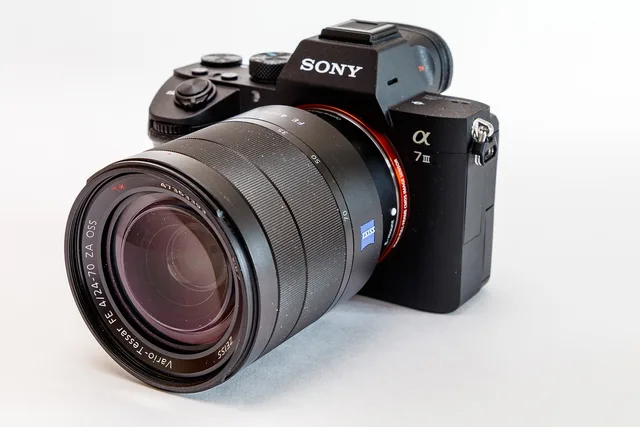
| Equipment | Review camera body and lens |
| Legal parties | Publisher and equipment brand |
| Date | Date of agreement recorded |
| Money | No fee paid |
| Commission | Affiliate commission rate recorded |
| Gift | None |
| Loan | Review unit on loan |
| Discount | Trade discount recorded |
| Travel | Brand paid travel costs |
| Event access | Press event access |
| Continuing appointment | None |
| Editorial control | Publisher retains final edit |
| Return terms | Return date and condition recorded |
This is a worked example, not a real agreement.
Assign the disclosure decision
For each output, the owner records whether it is editorial, advertising, affiliate marketing, own-brand promotion or another reviewed category. They then approve the words, position, timing and repeat points. Keep this decision apart from claim substantiation, media permissions and any FCA perimeter analysis.
The CMA's endorsement collection addresses brands, creators and platforms. The collection is the CMA's Reviews and social media endorsements: what businesses and content creators must know. Its records include gifts and own-brand relationships.
The current unfair commercial practices guidance explains the statutory consumer regime applying to commercial practices from 6 April 2025. That guidance is CMA207, Unfair commercial practices. The CAP Code is not the same source of authority as that legislation and guidance.
Specify placement for each journey
Write a rendering rule for long video, short clip, live stream, audio, still image, article, email and repost. The audience should encounter the approved identification with the commercial message rather than hunt through a profile or link. ASA recognition guidance discusses prominent, upfront labelling and format-dependent placement.
Sample rule for long video: show the approved label on screen at the start, before the first commercial mention, and repeat it when a paid product appears.
Test the disclosure on a small screen, without sound, through captions or transcript, with a screen reader and in any authorised excerpt. A platform toggle may supplement the label, but its presence is a supplier control rather than proof that UK duties have been met.
Link the policy to evidence and rights
The disclosure record should point to the approved claim sheet for the exact model and configuration. Section 3 of the CAP Code requires evidence for objective claims capable of substantiation and clear qualifications.
Rule 3.7 requires documentary evidence before publication. A visible advert label cannot validate an untested compatibility statement, conceal an unavoidable charge or authorise copyrighted footage.
If the content promotes equipment credit, insurance or another financial service, route it to an FCA specialist. The FCA's financial-promotions page explains that relevant rules vary by product. That page is the FCA's Financial promotions and adverts guidance. Do not assume ordinary ad review resolves this separate perimeter.
Enforce, correct and review
Store the approved asset, relationship record, label, channel capture, reviewer, date and expiry together. The publisher checks the rendered version before release; monitoring checks that the disclosure survives edits, syndication and platform changes. Staff need a route to report a missing label without suppressing the evidence.
Canonical pause list: pause publication if a relationship is unknown, the label cannot be perceived in context, the underlying claim lacks support, rights are unresolved, or finance review is incomplete. Correct or withdraw affected versions, record where they travelled, and keep proof of the response.
A named senior editor or compliance lead signs off the policy. Review it at least annually and when the law, regulator guidance, platform interface, commercial arrangement or distribution format changes. Qualified review narrows risk but does not guarantee compliance.
Before you act
- Create a relationship register for each item.
- Assign a named person to decide disclosure.
- Write placement rules for every format.
- Test the label on small screens and with screen readers.
- Link disclosure records to claim evidence and rights.
- Pause publication if any condition is unmet.
Common questions
How does the CAP Code affect advertorial classification?
Section 2 of the CAP Code requires marketing communications to be obviously identifiable and makes advertorial status depend on control plus payment or another reciprocal arrangement. 3. A named advertising and consumer lawyer should review ambiguous relationships. The CAP Code is not the same source of authority as the CMA's unfair commercial practices guidance.
When should publication be paused?
Pause when any condition in the canonical list in Enforce, correct and review applies. Then correct or withdraw affected versions, document where they travelled and retain proof of the response.