Audience research
Part of Ethical audience research for studio equipment, from disprovable belief to consent
Defining a studio equipment audience by buying task and observable eligibility
Define an England studio-equipment audience by buying task, operator needs and verified eligibility, then test the boundaries through ethical research.
Start with the decision, not a demographic label. A target group for a studio equipment purchase, say a microphone return policy, is not the same as the people who operate the microphone, approve a studio budget or watch the finished recording. Merged, they can make a large spreadsheet look useful while hiding whose problem is under study.
What to take away
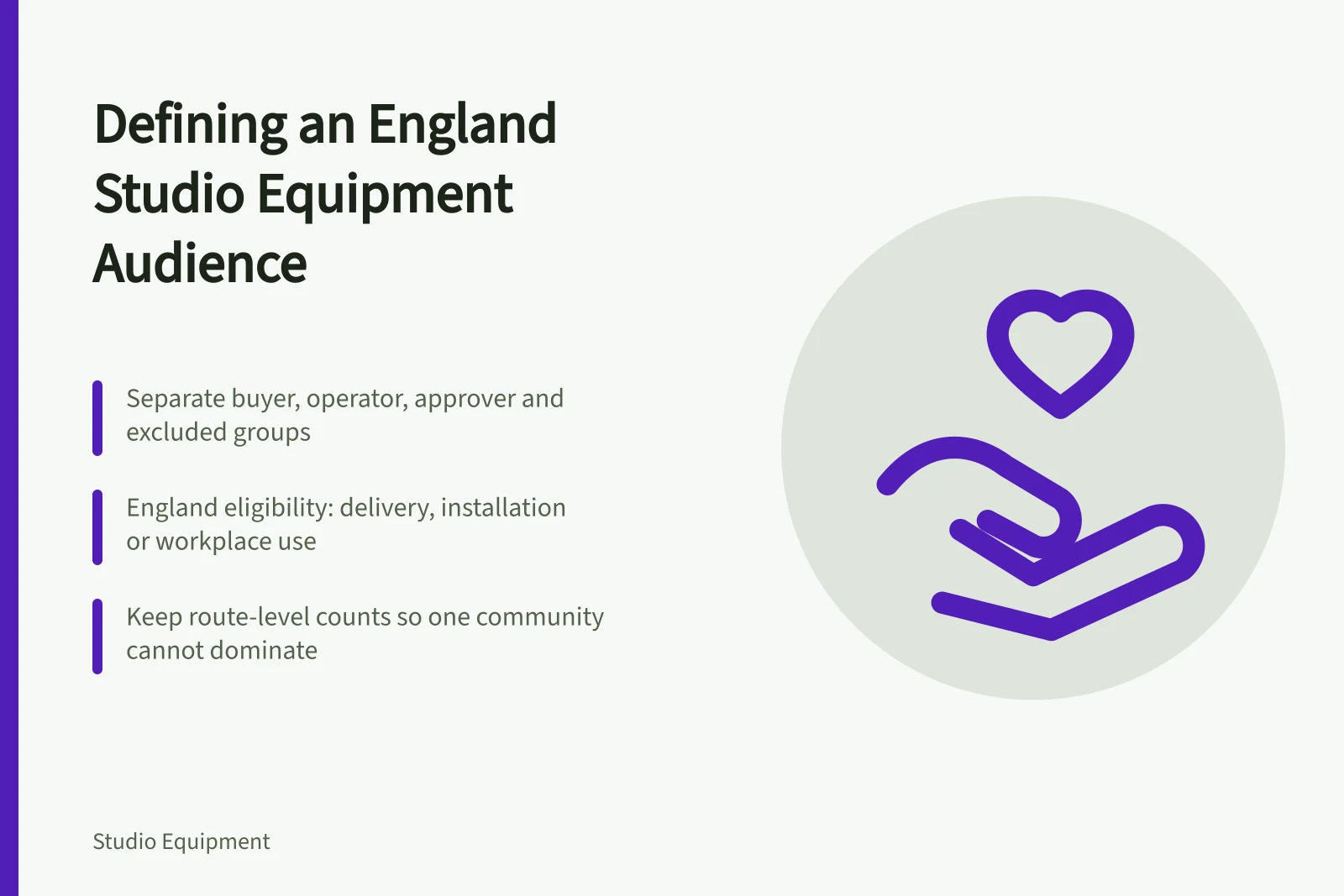
- Define the decision boundary first, then separate buyer, operator, approver and excluded groups.
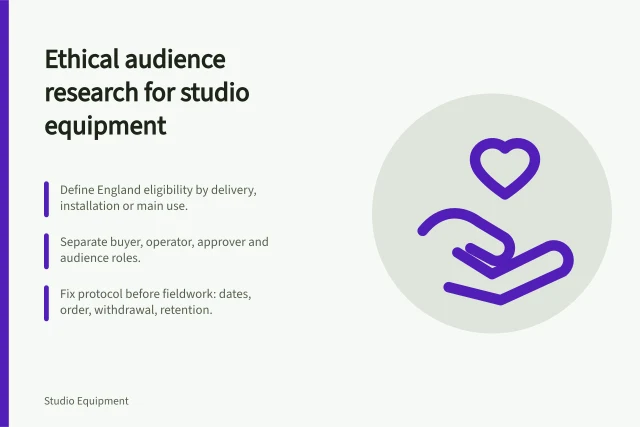
- Make England eligibility observable through delivery, installation or workplace use, not inferred from personal traits.
- Build an auditable sampling frame with route-level counts to avoid one community dominating the audience.
- Separate research consent from later marketing permission, with distinct lawful bases for each.
- After fieldwork, compare evidence across roles and narrow or split the population if needs differ.
Write a one-line decision boundary
State the choice the research must inform, such as whether to offer an accessible pre-purchase demonstration for small video-production teams working from England. Then define:
One-line decision boundary
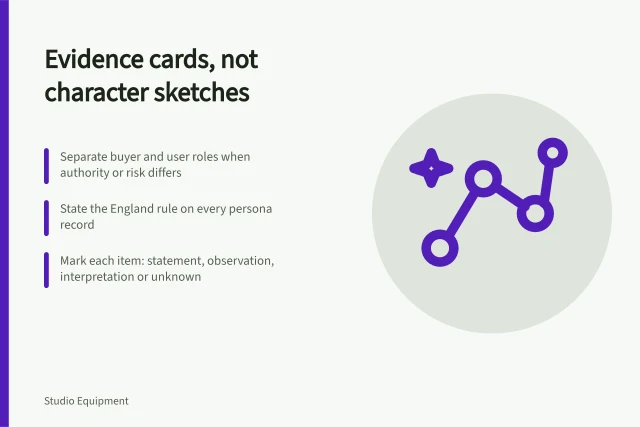
- the person who can authorise or reject the purchase;
- the operator who will install or use the equipment;
- any technical, finance or accessibility approver;
- the excluded population, including general viewers with no equipment decision.
The UK Government Service Manual advises teams to turn assumptions into research questions and identify participant groups before choosing methods in its planning guidance. That is a useful research discipline, not evidence that these groups have a particular need.
Make England eligibility observable
Use a field that a participant can answer without revealing a home address. An organisation might qualify because the equipment would be delivered to, installed at or mainly used from a workplace in England during the stated study period. Record which rule applies. Do not infer residence from an accent, social profile or Companies House address.
For organisational outreach, the ONS UK business activity dataset may help describe registered enterprises or local units. Its quality and methodology information explains VAT/PAYE coverage, SIC and location limits. It is not a list of creators or proof of equipment demand.
Build a sampling frame that can be audited
List each recruitment route and the population it can reach. Eligible prior customer records, opt-in professional groups, venue partners and open recruitment may each cover different people. The Service Manual's participant recruitment guidance recommends recruiting actual or likely users and including people with access needs. Keep route-level counts so one enthusiastic community does not silently become the whole audience.
Before fieldwork, publish the inclusion and exclusion rules, dates and recruiter. Set out the screening questions, proposed incentive, interviewer, mode and accessible alternatives. Log invitations, eligible responses, completed sessions, withdrawals and unknown eligibility separately. A response rate needs its numerator and denominator, so silence is not disinterest.
Separate permission from later marketing
Explain the study, recordings, retention and withdrawal route before participation. Government guidance on research consent says agreement should be informed and voluntary. The ICO's data-protection principles require an organisation to address lawfulness, transparency, minimisation and storage, although the page is under review following the Data (Use and Access) Act 2025.
Permission to take part is not permission to send sales messages. A privacy specialist should document the lawful basis for research, while a separate PECR and direct-marketing review covers any later contact.
Decide whether the boundary survived contact
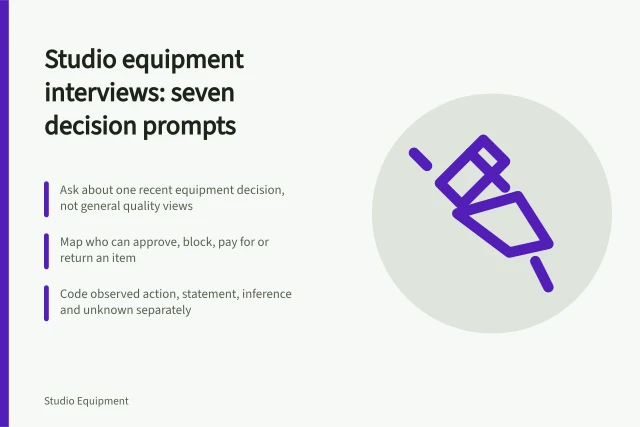
After interviews or a survey, compare evidence across buyer, operator and approver roles. Record contrary cases and unanswered questions. Narrow or split the population if needs, authority or constraints differ materially.
Do not publish a persona or sales claim when the frame excludes non-users, recruitment is dominated by one channel, England eligibility is missing or access needs were not accommodated. The defensible output is a dated audience hypothesis and a list of what could disprove it, not a claim about prevalence or buying power.
Before you act
- State the decision the research must inform.
- Define buyer, operator, approver and excluded groups.
- Record which England eligibility rule applies.
- Log invitations, responses, completions and withdrawals separately.
- Explain consent, retention and withdrawal before participation.
- Compare evidence across roles and record contrary cases.
Common questions
How can I make England eligibility observable without asking for a home address?
Use a field a participant can answer without revealing a home address. An organisation might qualify because equipment would be delivered to, installed at or mainly used from a workplace in England during the study period. Record which rule applies. Do not infer residence from accent, social profile or Companies House address.
What should I include in a sampling frame to make it auditable?
List each recruitment route and the population it can reach. Eligible prior customer records, opt-in professional groups, venue partners and open recruitment may cover different people. Keep route-level counts so one enthusiastic community does not silently become the whole audience.
When can I use research participants for later marketing?
Permission to take part is not permission to send sales messages. A privacy specialist should document the lawful basis for research, while a separate PECR and direct-marketing review covers any later contact. Explain the study, retention and withdrawal route before participation.