
Tools and providers
Post-shoot care for studio equipment in Scotland and Wales
Post-shoot care for studio equipment in Scotland and Wales: warm cold kit slowly, wipe off rain and salt, check mains leads and log every fault.
What to take away
- Seal cold kit in a bag before you step indoors and leave it shut until it has warmed to room temperature.
- Condensation forms when warm, moist air meets a cold surface, so the move between temperatures is the risky moment.
- After a coastal Welsh shoot, wipe metal parts and connectors with a dry, lint-free cloth before packing.
- Lift salt residue with a cloth dampened with distilled water, then dry the surface.
- Inspect mains leads and plugs by eye before you power up kit that has been damp.
- Log what each shoot did to the gear, so a pattern shows before a fault does.
Why the move from cold to warm is the risky moment
The danger sits in the change of temperature, not in the shoot itself. A chilled camera carried into a heated room meets warm, moist air, and water forms on its surface and inside the body. In Scotland, cold and damp spells make that move a routine part of location work.
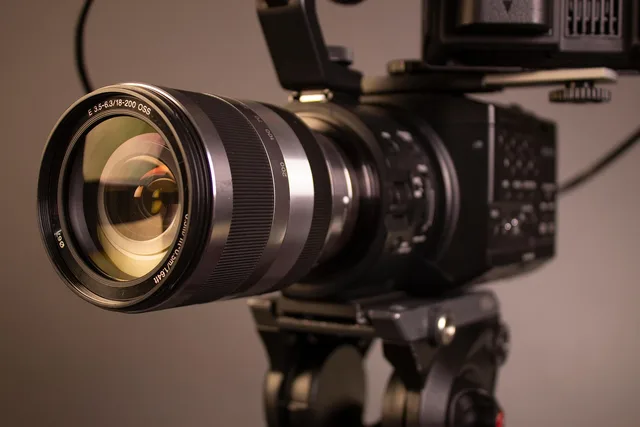
The sensor sits behind the lens mount, which shields it from direct rain but not from moisture in the air. A fogged sensor can cause soft images, spots and, over time, fungal growth. Lenses can fog internally and take hours to clear, so rushing a lens change indoors costs more than waiting.
Wales adds a second, separate threat. Coastal Welsh air carries salt, which accelerates corrosion on metal parts and leaves a conductive film on circuit boards. A Scottish shoot asks you to manage temperature, a coastal Welsh one to manage residue, and the routines below keep the two apart.
Scotland vs Wales storage risks
Scotland
- Main weather
- Frequent rain, cold
- Primary risk
- Damp, condensation
- Indoor humidity
- Tracks outdoor, near saturation
- Heat damage
- Less worry
- Storage focus
- Keep moisture away
Wales (coastal)
- Main weather
- Salt-laden air
- Primary risk
- Salt corrosion
- Indoor humidity
- Carries salt indoors
- Heat damage
- Less worry
- Storage focus
- Sealed cases, cleaning
Bringing cold kit indoors in five steps
Keep the kit sealed and let the room do the warming. The same five steps apply whether the camera spent the day in rain or the night in a cold car boot, which chills it through.
- Zip the camera, lenses and batteries into a sealed bag or case before you leave the cold.
- Carry the bag indoors and leave it shut in the room where the gear will be used.
- Wait until the contents have warmed to room temperature before you open it.
- Wipe the outside of the body dry, then check each lens for internal fogging.
- Dry or replace the silica gel before the case is packed again.
The reverse also catches people out. Taking a warm camera outside into cold, damp air can fog it in the same way. Avoid breathing on cold glass, and if you must shoot in rain, fit a rain cover and wipe the body dry before packing.
Silica gel packs in the case absorb moisture until they lose effectiveness, so replace them when they do. Rechargeable desiccant packs, typically 50 g and 100 g, are easier to dry and reuse. Check the indicator and dry the packs when it changes colour.
Wiping off rain and sea air, item by item
Wipe first, clean second, and never force anything onto a connector or a capsule. Salt corrodes connectors, faders and metal chassis, and it leaves a residue that causes crackles and intermittent faults. If your studio is within a few miles of the coast, assume salt is present.
| Item | What the exposure does | What to do afterwards |
|---|---|---|
| Camera body and lenses | Moisture on the body, fog inside lenses | Wipe the body dry; clean glass with a blower and microfibre cloth |
| Condenser microphones | Capsules attract moisture and dust | Store in a sealed case with fresh desiccant |
| Mixers and outboard gear | Exposed metal takes salt and rain | Wipe with a dry, lint-free cloth after every session |
| Connectors and faders | Corrosion, crackles, intermittent faults | Use contact cleaner only when needed |
| Lighting stands and heads | Condensation on metal | Wipe down and dry before packing |
| Cables | Stiff or cracked insulation | Inspect, then coil loosely and keep in a dry box |
Rain makes the salt problem worse, because it carries salt onto surfaces and into cases. A damp capsule can produce noise or lose sensitivity. If you are choosing a podcast microphone for a coastal room, remember that condenser capsules are especially sensitive to moisture.
For salt residue, wipe with a cloth dampened with distilled water, then dry the surface. Never put contact cleaner on a capsule. Keep gear covered when it is not in use, but allow ventilation, because a tight cover can trap moisture against the metal.
Scotland and Wales: where the routine differs
The routine stays the same; the emphasis moves. A Scottish winter shoot calls for slow warming and thorough drying, while a coastal Welsh shoot calls for sealing and salt removal. East coast Scotland can be drier but is colder, and neither region has many very hot days.
Regional humidity and heating targets
Scotland
- Main risk
- Condensation from cold
- Humidity target
- 40% to 50% RH
- Heating need
- Higher in winter
- Ventilation
- Controlled, avoid damp air
- Cleaning focus
- Dry gear before storage
Wales (coastal)
- Main risk
- Salt corrosion and damp
- Humidity target
- 40% to 50% RH
- Heating need
- Moderate, avoid overheating
- Ventilation
- Sealed, filtered if possible
- Cleaning focus
- Rinse and dry salt residue
| After the shoot | Scottish winter | Coastal Wales |
|---|---|---|
| Main risk | Condensation from cold and damp | Salt corrosion and damp |
| First job indoors | Warm the sealed bag slowly | Wipe salt off before it dries on |
| Cleaning focus | Dry gear before storage | Remove salt residue, then dry |
| Case choice | Desiccant, checked often | Sealed cases, filtered air if possible |
Heating alone is not the answer. Avoid putting direct heat on gear, which can cause local hot spots, and avoid drying the air so far that static builds up. In coastal Wales, weather stripping on doors and windows helps keep salt air out of the room where the cases are opened.
Lighting, cables and lenses through the year
Each season leaves a different mark on the kit, so a short check at each turn of the year works better than one big clean. Winter brings damp, spring brings pollen, summer brings brief heat and autumn brings rain. The table sets out one task per item for each season.
Seasonal gear maintenance schedule
- Winterreplace desiccant, inspect cables, clean contacts
- Springclean pollen from vents, test cables
- Summerclean fans, watch overheating, avoid sun
- Autumnrecharge desiccant, check seals, lubricate tripods
| Season | Lighting | Cables | Lenses |
|---|---|---|---|
| Winter | Wipe condensation from stands and heads; dry before packing | Check for stiff or cracked insulation | Store with fresh desiccant; inspect for fungus |
| Spring | Remove pollen and dust from vents and housings | Inspect connectors for corrosion | Clean front and rear elements with a blower and microfibre cloth |
| Summer | Check for heat damage near windows; avoid direct sun | Keep cables out of hot vehicles | Avoid rapid temperature changes; use a sealed case |
| Autumn | Dry outdoor gear thoroughly after rain | Coil loosely and store in a dry box | Check for internal fogging after cold shoots |
Lighting gear needs special attention after outdoor work, because damp can corrode connectors and switches. Wipe down stands and heads, allow them to dry, then pack them. Cables should be coiled loosely and stored in dry conditions rather than thrown into a bag.
Fungus thrives on lenses in damp, dark conditions,. Store lenses for a YouTube camera with desiccant and inspect them regularly. If you see haze or spots, get a professional clean. Do not leave lenses in leather cases for long periods, as leather can hold moisture.
Mains leads and plugs after a damp day
Look before you plug in. The HSE advises that user checks come before most equipment is used, with the equipment disconnected. After a wet shoot, that means inspecting each lead and plug by eye before power goes anywhere near it.
- Check the lead for fraying, cuts or heavy scuffing.
- Check the plug for damage to the cover or bent pins.
- Look for tape applied to a lead as a repair.
- Leave anything doubtful unplugged until it has been looked at.
Whether a formal test is needed is a separate question. The HSE's answers on portable appliance testing state that electrical safety defects can be found by visual examination in most cases, while some types of defect can only be found by testing. A visual check costs nothing and takes a minute.
Keeping a log and knowing when the fix has failed
A short log turns scattered faults into evidence. Note the date, the place, the weather, what you wiped, and any fault that followed. Over a season it shows a recurring damp patch in a Welsh studio or a cold spot in a Scottish room.
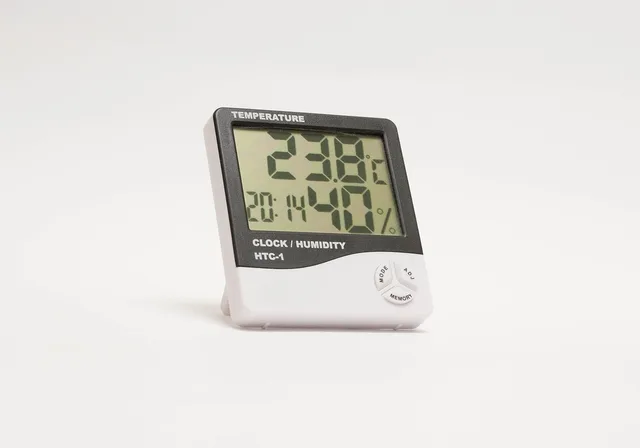
Treat a repeating problem as a sign that the room needs attention, not the gear. Recurring condensation on cold surfaces, a musty smell, rust on tools or frequent electrical faults all point that way. If humidity stays above 60% despite treatment, move sensitive gear to a drier room or a sealed cabinet.
Faults still happen, and whether damp or salt damage is covered is a question of policy wording, so read the claim checks for studio insurance before you need them. Repairs, silica refills and cleaning supplies also belong in the running costs of a studio, not in a surprise bill. Before the next shoot, run the kit through a room to rights checklist so a fault found at home is not discovered on location.