Tools and providers
Studio equipment Cardiff Welsh-language creators: audio choices
Studio equipment Cardiff Welsh-language creators can choose: named microphones, bilingual audio tests, Cardiff shops, hire guidance and production context.
What to take away
- Studio equipment Cardiff Welsh-language creators buy is shaped by bilingual audio, Roath Lock delivery standards and short S4C turnaround times.
- Cardiff suppliers worth a visit include Castle Cameras in Castle Arcade and Camera Centre UK on Queen Street, with online retailers covering the rest.
- BBC Cymru Wales and S4C commission through Cardiff independents such as Boom Cymru and Rondo Media, which hire freelances who bring their own compliant kit.
- Bilingual audio needs two microphone choices tested with both languages, not one compromise.
- VAT is reserved to Westminster, so equipment bought in Cardiff takes the same 20% standard rate as anywhere in the UK.
- Creative Wales, Media Cymru and Welsh business rates relief are the local support levers for a studio in the city.
What Welsh-language production in Cardiff demands from a studio kit
Welsh-language production in Cardiff runs on short series and small crews. A single operator often shoots, records sound and edits, so the kit has to be dependable rather than impressive. Audio redundancy matters more than a second camera body.
Cardiff is rarely quiet. Principality Stadium event days and city-centre venues push low-frequency noise through walls in Cathays, Riverside and Adamsdown. A voice take scheduled on a match day needs closed-back headphones, a tight microphone pattern and something soft on the walls.
Daylight shapes the shooting day. Cardiff's mid-December sunset falls shortly after 4pm, so battery-powered lights carry the afternoon. Rooms in the city's Victorian terraces often have high ceilings, which flatter nothing and dull dialogue.
Cardiff Bay adds wind. The open waterfront around Porth Teigr and the barrage funnels gusts across lavalier microphones, so windjammers and a well-mounted boom earn their place in the bag.
Delivery standards close off improvisation. Cardiff post houses and the city's broadcast clients expect timecode-friendly cameras, clean audio and files that drop into an existing workflow. A mismatched codec can cost you a repeat booking.
Before buying anything expensive, work out the buying task and observable eligibility of your own client list. The invoice decides the kit, not the other way around.
Suppliers and camera stores serving Cardiff creators
Cardiff's camera retail is smaller than Bristol's but workable. Castle Cameras in Castle Arcade is the long-standing city-centre shop for cameras, lenses and used bodies. Camera Centre UK on Queen Street covers similar ground with a wide accessory wall.
Both let you handle a body before buying, which matters when you are choosing a camera for single-operator Welsh-language work. Bring your own card and record a quiet test clip. Autofocus motors that sound fine in a shop can ruin a close voice take.
Lighting, grip and tripods are better hired than bought in Cardiff. Most crews here hire broadcast glass and long lenses from Bristol houses, and delivery usually costs less than a purchase you use twice a year.
Online retailers fill the accessory gaps. Wex Photo Video and CVP both deliver to Cardiff addresses, and MPB lists used bodies with a warranty, which suits a creator who needs a second camera for one series. Order before the deadline week, not during it.
Ask three questions of any Cardiff supplier. Will they raise a VAT invoice in your company name? Do they hold spares for what they sell? Who repairs it, and how long does that take? Our review of four England suppliers checked sets a benchmark for the service standards you should expect locally.
BBC Cymru Wales production context and what it means for freelancers
BBC Cymru Wales is the anchor of Cardiff's production sector. Its broadcasting centre sits at Central Square, next to Cardiff Central station, while drama is made at Roath Lock Studios in Cardiff Bay, home to Pobol y Cwm. BBC Radio Cymru also works out of the city, which keeps Welsh-language voice work local.
S4C commissions most of its Welsh-language output from independent companies, several of them Cardiff based. Boom Cymru and Rondo Media are the two names freelance crews in the city meet most often, and both hire camera operators, sound recordists and editors who bring their own gear.
That means standardisation. Broadcasters and Cardiff post houses expect clean audio, matching codecs and consistent metadata. Turn up with a camera nobody else in the building uses and you will spend your fee on transcoding.
Insurance is part of the kit. Public liability and equipment cover are commonly requested before a Cardiff contract starts, and the sums should reflect replacement value rather than purchase price.
Compliance lands on the freelancer too. Mains equipment should meet UKCA mark requirements, and producers may ask for PAT testing records before a rig goes on set.
On sector scale, the Office for National Statistics publishes creative industries economic estimates that let a freelancer argue rates from published numbers instead of guesswork.
Whether to buy a second body for a Cymru Wales contract or rent one is a cash-flow decision. Our comparison of buy, hire, subscribe or finance covers when each option pays off.
Audio and microphone choices for bilingual recording
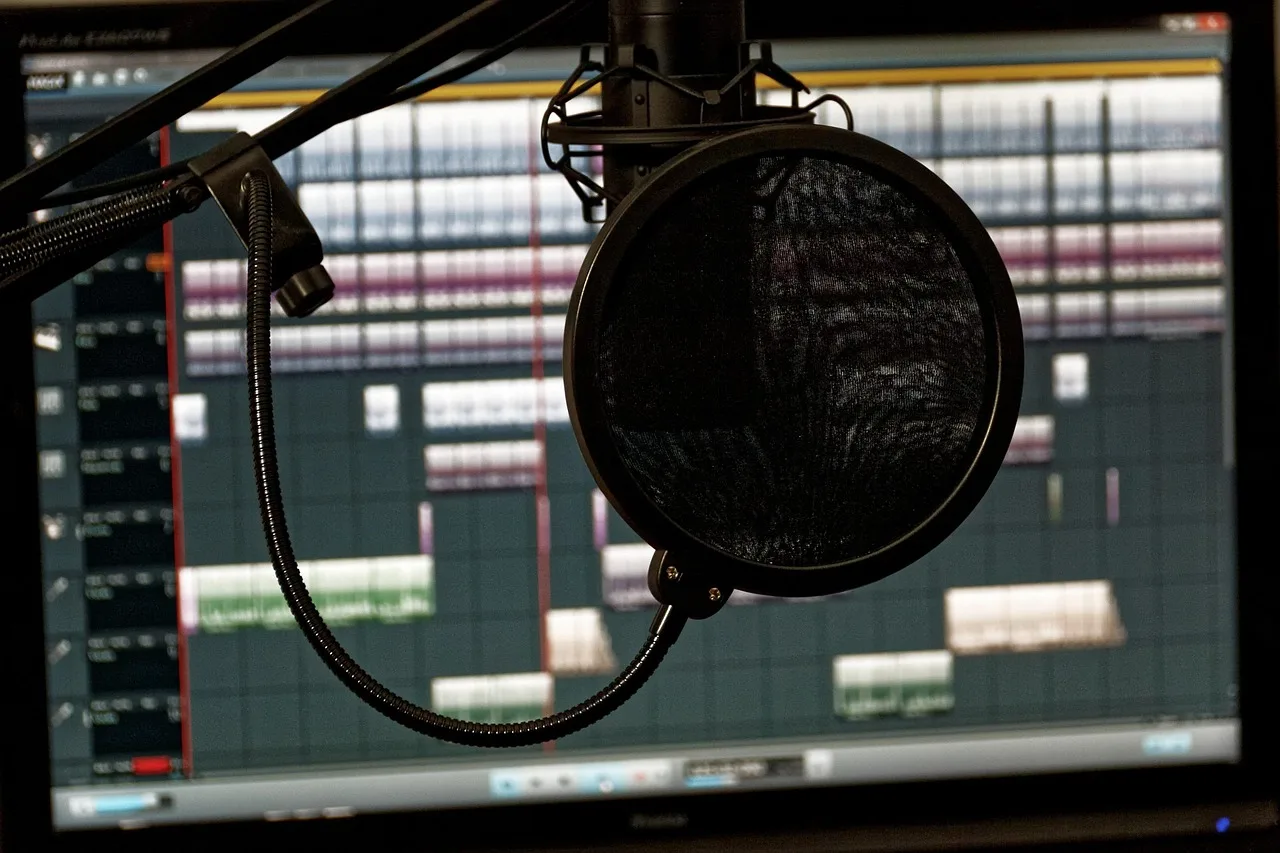
Bilingual audio choices decide whether a Welsh-language programme sounds professional. Welsh and English carry different stress patterns, and a microphone that flatters one presenter can make the other sound harsh.
For studio voiceover, a large-diaphragm condenser such as a Rode NT1 or a Neumann TLM 103 captures the consonant detail Welsh narration needs, provided the room is treated. Thin condensers smear the voiceless lateral sound in words like llan, and listeners hear it.
For interviews and location work, a broadcast dynamic microphone or a shotgun on a boom is more forgiving. A Shure SM7B suits a close, treated studio, while a Sennheiser MKH 416 rejects the room noise that Cardiff venues with hard floors produce.
Test each presenter on two or three microphones before buying. A slightly darker microphone often suits a brighter English voice, and a presenter who switches language mid-sentence needs a microphone that holds up in both directions.
Lavaliers stay useful for Welsh-language documentary work. A DPA 4060 or similar, worn with a windjammer, survives Cardiff Bay better than a camera-mounted microphone.
Deliveries usually need separate audio stems and Welsh subtitles, so confirm the specification with the Cardiff post house before the shoot. Fixing a mismatched delivery costs more than the microphone did.
Budgeting for a Cardiff studio with VAT and hire options
VAT on studio equipment bought in Cardiff follows the same rules as anywhere in the UK, because VAT is reserved to Westminster and was not devolved to the Senedd. Standard-rated goods carry 20%, so a £2,000 camera costs £2,400 unless you are VAT-registered and can reclaim the tax.
HMRC publishes a guide to VAT rates covering equipment, repairs and hire. Hire charges are standard-rated as well, and used stock bought from a Cardiff shop already carries VAT inside the margin scheme price.
If you are not VAT-registered, hire usually wins. A four-week Welsh-language series might need a second camera for eight days, and a hire quote at a daily rate plus a damage waiver can undercut buying outright.
Worked example for a Cardiff freelancer quoting an eight-day bilingual shoot:
Budgeting for a Cardiff studio
- List the kit you already own and insure.
- Price the gapone camera body, one zoom, one radio mic kit.
- Get a hire quote for eight days, including delivery and damage waiver.
- Compare that total with the purchase price plus 20% VAT.
- Subtract resale value if you will sell within two years.
Software follows the same logic. Subscriptions are operating costs, while perpetual licences are capital, and a Creative Wales grant does not change your VAT position.
Keep quotes and VAT included in one spreadsheet before you accept a Welsh-language commission. Importing from outside the UK adds import VAT and customs handling, which is a risk on a tight deadline.
Local business support and licensing for Cardiff studios
Wales runs its own business rates system, and Cardiff Council administers it. Small Business Rates Relief in Wales is applied through the council, and studio premises converted from light industrial units often qualify. Ask before signing a lease.
Creative Wales, the Welsh Government's creative industries body, offers funding and advice to production businesses in the city. Media Cymru, the Cardiff Capital Region programme run with Cardiff University, funds media research and development, including bilingual formats.
Business Wales covers company registration, and Companies House records are expected by most Cardiff clients. Copyright and design rights sit with the Intellectual Property Office, so keep written assignments for anything you commission.
Licensing depends on use. A private studio needs nothing beyond a music licence if you play commercial tracks, while any space open to the public needs a premises licence from Cardiff Council. PRS for Music and PPL cover performance and reproduction.
Paid social content in Welsh and English alike falls under the Advertising Standards Authority's CAP code, which requires clear ad labelling. Broadcast clients answer to Ofcom's Broadcasting Code instead.
Welsh Language Commissioner standards apply to public bodies rather than private studios, though public funding can pull a Cardiff company into scope. Business and licensing pages from Leeds show how another UK city packages similar support.
Bilingual commissioning often needs evidence rather than enthusiasm. The ONS cultural identity data sets out Welsh language ability and national identity at local authority level, so a Cardiff producer can show how many Welsh speakers live in a target area. Those figures also underpin the Welsh Government's aim of a million Welsh speakers by 2050.
- Confirm your VAT position before buying new gear
- Get three hire quotes for any shoot over four days
- Test two microphones with both Welsh and English presenters
- Check insurance covers replacement value, not purchase price
- Register with Companies House before invoicing limited companies
- Confirm PRS and PPL licences before any public playback
- Keep UKCA mark evidence for mains-powered equipment